Wednesday, July 8, 2026
Golf Business
golf business ai workshop august 31, 2026 ad
  • Home
  • Golf Business
    • Golf Business Journal
    • Latest Golf Business Magazine – Summer 2026
    • Golf Business LIVE
    • Golf Business Podcast
    • Golf Business Digital Editions Archive
  • Advertise
    • 2026 Media Kit
    • Sponsorship Opportunities
  • NGCOA
    • Learn More About NGCOA
    • NGCOA Events
    • Advocacy & NGCOA Champions Circle
    • NGCOA Research
  • Subscribe
    • Golf Business Digital Subscription
    • Contact Us
No Result
View All Result
Golf Business
  • Home
  • Golf Business
    • Golf Business Journal
    • Latest Golf Business Magazine – Summer 2026
    • Golf Business LIVE
    • Golf Business Podcast
    • Golf Business Digital Editions Archive
  • Advertise
    • 2026 Media Kit
    • Sponsorship Opportunities
  • NGCOA
    • Learn More About NGCOA
    • NGCOA Events
    • Advocacy & NGCOA Champions Circle
    • NGCOA Research
  • Subscribe
    • Golf Business Digital Subscription
    • Contact Us
No Result
View All Result
Golf Business
No Result
View All Result
Home From the CEO

The Soft Underbelly

The Soft Underbelly
585
SHARES
3.2k
VIEWS
Share on FacebookShare on Twitter

By Jay Karen, NGCOA CEO

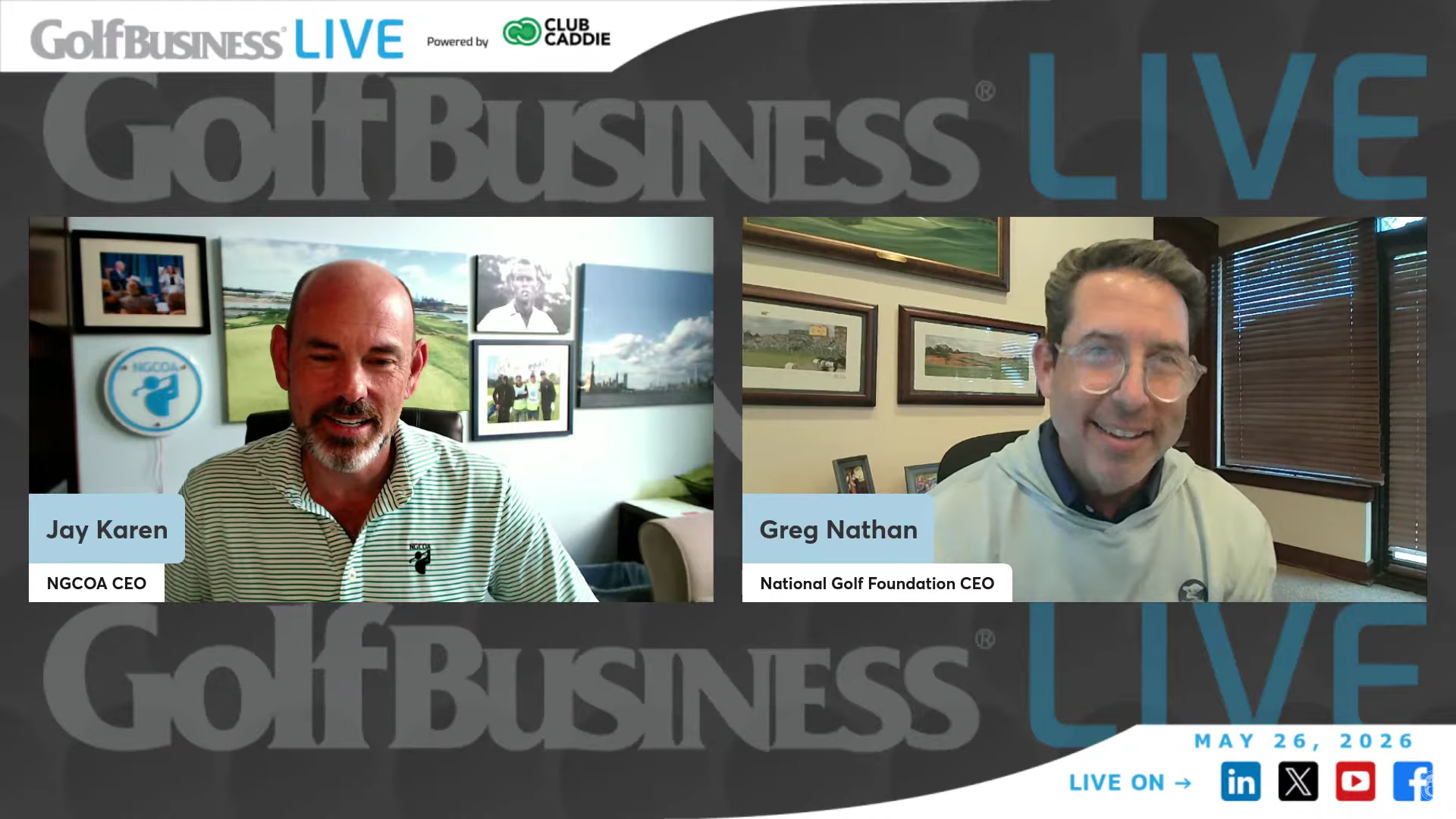
Greg Nathan, CEO of the National Golf Foundation, sounded something of a clarion call during a recent conversation with me on Golf Business LIVE. Jake Gordon, founder of Noteefy, reinforced the same concern in a recent LinkedIn post. The issue? Golf’s stubborn retention problem.

You might also like

Lesson Plan Instructor Arrangements are as Unique as the Lessons They Give

The Operator’s Role in a VUCA World

Johnny Law Comes for Tee Times — California Launches The First Tee Time Protection Act

Even during one of the healthiest periods in the game’s modern history, we continue to lose millions of golfers every year. That should concern all of us who care deeply about the future of the game and about the owners and operators whose businesses sustain it.

Over my three decades in golf, our industry’s attention has understandably been focused on two goals: attracting customers and keeping them. But if we’re honest, we’ve devoted far more energy to the first than the second. 

For years, the supply-and-demand curve wasn’t exactly working in our favor. Naturally, we concentrated on the top of the funnel — player development, beginner programming, and creating more welcoming pathways into the game. There were some truly admirable efforts. Initiatives like Get Golf Ready helped create better on-ramps, and the industry made meaningful progress in reaching women and people of color. Those efforts deserve recognition. They mattered, and they still do.

But somewhere along the way, we may have convinced ourselves that getting people to try golf was the primary challenge. I no longer think it is.

The “animal” of golf looks healthy and vibrant from the outside. Participation is strong. Rounds are robust. Facilities are busy. But turn the animal over, and you see the soft underbelly Nathan speaks of: as an industry, we have never brought the same level of thoughtfulness, rigor, innovation, and collective focus to retention that we brought to recruitment.

And that’s understandable, because retention is messy. Customer retention in golf is not a national program. It isn’t a campaign, a slogan, or a logo. It is local. It happens—or doesn’t happen—in thousands of daily interactions at golf courses and clubs across the country. It lives in the warmth of a greeting, the patience shown to a nervous beginner, the culture among regular players, the pace of play, the quality of instruction, and whether a newcomer leaves feeling they belong.

Yes, technology can help people play more often. Yes, PGA professionals work tirelessly to help golfers improve and enjoy the game more. Yes, many facilities deliver extraordinary hospitality every day. But are we truly satisfied when so many people who try golf still report feeling intimidated, uncomfortable, or unwelcome?

For people like Nathan—and frankly, for people like me—it’s our job to worry about these things. The challenge is figuring out how to turn concern into action when the execution itself is so decentralized. Can retention be improved through a grand, industry-wide strategy? I’m not sure.

But I am sure of this: we cannot continue losing millions of people each year and simply accept it as the natural order of things. The goodness of golf should not remain hidden from so many who make the effort to discover it. We need to identify, celebrate, and amplify the facilities, professionals, and operators who are getting retention right. Their ideas deserve oxygen.

What have you seen work at the local level? What keeps people coming back—and what still drives them away?

.

Jay Karen, CAE

Chief Executive Officer

Tags: Golf Business Quarter Shot
Previous Post

FMLA and Paid Leave: What Golf Course Owners Need to Know, and How to Prepare

Related Posts

Lesson Plan Instructor Arrangements are as Unique as the Lessons They Give
Golf Operations

Lesson Plan Instructor Arrangements are as Unique as the Lessons They Give

July 7, 2026
The Operator’s Role in a VUCA World
From the CEO

The Operator’s Role in a VUCA World

April 1, 2026
Johnny Law Comes for Tee Times — California Launches The First Tee Time Protection Act
Golf Operations

Johnny Law Comes for Tee Times — California Launches The First Tee Time Protection Act

March 31, 2026
Something is Now Different
From the CEO

Something is Now Different

November 19, 2025
Golf Operations

There’s More Money In Golf Than You Thought (But Uncle Sam Wants Some Of It, Too)

November 19, 2025
golf business logo

Official Publication of the National Golf Course Owners Association

  • Golf Business
    • Golf Business Quarter Shot
    • Golf Business Journal
    • Golf Business LIVE
    • Golf Business Podcast
    • Golf Business Digital Editions Archive
  • Advertise
    • 2026 Media Kit
    • Sponsorship Opportunities
  • Privacy Policy
  • NGCOA
    • Learn More About NGCOA
    • NGCOA Events
    • Advocacy & NGCOA Champions Circle
    • NGCOA Research
  • Subscribe
    • Golf Business Digital Subscription
    • Contact Us

© 2025 Golf Business

Welcome Back!

Login to your account below

Forgotten Password?

Retrieve your password

Please enter your username or email address to reset your password.

Log In

Add New Playlist

No Result
View All Result
  • Home
  • Golf Business Journal
  • Latest Golf Business Magazine – Summer 2026
  • Golf Business Articles
    • The Golf Industry Has Its Voice Heard — From Capitol Hill to ‘Kimmel’
    • The Power of Community: Why Belonging to NGCOA Is an Investment in Your Golf Facility’s Future
    • What Golf Can Learn from New York’s Crackdown on Reservation Piracy

© 2025 Golf Business